Products By Categories |
 |
High Performance Road Rollers Available Online India
Heavy wheels that roll over ground do crucial jobs. From flattening dirt before buildings go up to pressing hot tar on major routes, these machines shape solid bases. When new homes rise, when factory floors get ready, even in shopping centers or wide parking zones - steady pressure matters. Achieving flat, strong surfaces depends heavily on consistent performance below the top layer. Smooth results come only after thorough groundwork done right.
Heavy-duty rollers sit ready at Machinery Dukaan, built for steady compression work without guzzling fuel or wearing out fast. One-drum models stand beside two-drum versions, each humming with power from well-known engine makers like Honda, Briggs & Stratton, plus Greaves - machines that hold up when sites turn rough. These machines do not quit mid-task, tested under strain where most would falter.
From Kashmir to Kanyakumari, Machinery Dukaan ships everywhere. Real help comes fast when machines need fixing. Every item sold is original, never fake. Contractors trust it because breakdowns get sorted quickly. Builders keep coming back even after big projects finish. Road work teams rely on steady supply without delays. Big development groups choose it for consistent gear quality. Rental shops stock up knowing replacements arrive on time. Help stays close no matter where the site sits.
Heavy wheels pressing down, a road roller squeezes dirt, stone, or paving flat through steady force. Sometimes called a compactor Online roller machine, it works by pushing out trapped air with rhythm and mass. Vibration joins pressure to pack surfaces tighter than they were before. Built tough, this machine shapes solid bases so structures stay put.
Proper compaction is essential because it:
Heavy rollers today use steady mass along with shaking motion, making soil denser without needing much work from operators.
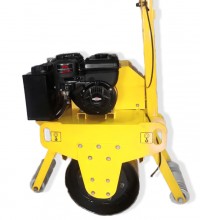
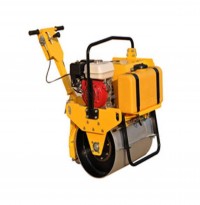
A single drum roller has a big steel wheel up front, while its back section rolls on rubber tires instead. Common jobs for these machines include:
One drum up and down makes loose dirt pack tighter than usual tools manage. When shaking hard into sandy mixes or rocky blends, it pushes farther below the surface. A single roller does what others can’t reach.
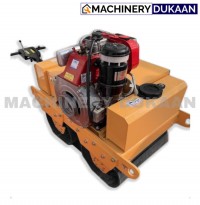
Front and back, the machine carries heavy steel drums. Mainly they press down hot asphalt, making it smooth at the end of paving jobs.
Applications include:
Smooth results come from even pressure across both drums, leaving surfaces flat without bumps. Quality improves because weight spreads out instead of concentrating in spots.
Ground settling happens when compaction fails. A shaky base forms if soil isn’t pressed down well. Bumps appear over time without proper pressure. Cracks show up where support runs weak. Uneven layers shift under weight. Damage spreads once movement begins. Foundations sink when air stays trapped. Lasting strength needs steady force applied early
A smooth finish often comes down to using a solid roller machine - this kind of equipment handles the base and top layers just right. When soil or asphalt packs well, results stay strong over time while cutting future repair needs.
When road builders or civil experts pick solid compacting tools, results often get better. Good machines tend to speed things up while cutting delays. Performance shifts when gear matches the job well. Stronger output usually follows smart choices in hardware. Work flows smoother with reliable parts on site.
Reasons Behind Selecting Honda Briggs & Stratton and Greaves Powered Rollers?
Most folks know engines need to run right for heavy gear to work well. Over at Machinery Dukaan, rollers come with motors made by names people trust worldwide - this helps things stay running without constant fixes. Some of these compactors use Honda GX160 powerplants, others rely on Briggs & Stratton units, while certain picks tap into Greaves-built systems instead.
When jobs need steady power, many on-site workers choose rollers driven by Honda engines. Though terrain changes often, these units keep delivering without pause.
Folks in construction and industry rely on these motors, no matter where they work. Though built tough, their real strength shows when things get messy. Where others fail, these keep going - simple, steady, without fuss.
Out on highways, Greaves-built tandem rollers show up a lot where pavement needs packing down hard. These machines roll through job sites from one end of the nation to another whenever roads go in.
Roller Machines Uses
Heavy wheels that roll over surfaces show up in many kinds of work. Machines shaped like barrels press down material wherever they go.
Road Construction
Starting with rollers, base layers get squeezed tight alongside asphalt finishes to form roadways that endure intense vehicle pressure without cracking under stress. Smoothness follows strength when weight presses down evenly across each stretch built to last through years of constant use.
Infrastructure Development
Built to last, big construction jobs depend on solid ground shaped by heavy rollers. Foundations for bridges take strength from slow, steady pressing of soil layers. Highways rise only after the earth beneath holds firm under machine weight. Public works rely on this unseen work below the surface.
Industrial Flooring
Heavy machines need solid ground, so factories and storage spots press their floors tight. Movement of big vehicles demands firm bases, which is why compaction matters in industrial spaces. Where trucks roll and equipment runs, dense surfaces hold everything together. Tough loads mean the earth must be packed well beneath loading zones. Firmness underfoot comes from squeezing soil hard at freight hubs.
Residential Construction
Out on housing sites, rollers pack down soil before anything else happens. Roads take shape after the heavy drum rolls back and forth. Land gets smoothed so plants can grow later. Foundations sit better when the ground is flat and firm. Leveling a plot? That big machine comes through like thunder.
Commercial Projects
Buildings meant for shopping, work, or parking need firm ground beneath them to stay steady. Firmness comes when soil is pressed tightly - this stops shifting later. Without solid base layers, structures risk tilting or cracking over time. Heavy machinery often handles the pressing job before construction begins. Each site must be checked carefully so pressure meets required levels. Even small weak spots might lead to big problems down the road.
What to Look for in a Roller Machine
Choosing the right roller depends on project requirements. Important factors include:
Compaction Type
One project might need one kind of rolling, another something else entirely. When dirt gets pressed down versus pavement, each job usually calls for its own type of machine setup.
Drum Width
Spreading out more space in less time - that is what wider drums handle well, getting the job done faste
 |
10+ Years of Trust
Serving contractors & businesses all over India since 2015 |
 |
Authorised Dealer
Official all-India dealers of Honda, Husqvarna, Briggs & Stratton(USA), Greaves & more |
 |
GST Invoice on Every Order
Claim GST benefits & save upto 28% on purchases* |
 |
Pan-India Delivery
Shipping all over India with Express shipping on selected products* |
 |
Udyam Registered MSME
Verified Company by govt. - UDYAM-DL-03-0066544 |
 |
100% Secure Payments
Safe checkout with Razorpay, UPI & major cards |
 |
Expert Online Mechanic
Free technical help from our certified experts |
 |
Genuine Products Warranty
Peace of mind with reliable warranty coverage* |
 Become a Seller
 Become a Dealer





 Track Order
 Help
Help Enquiry

 Chat with us
 Call Us